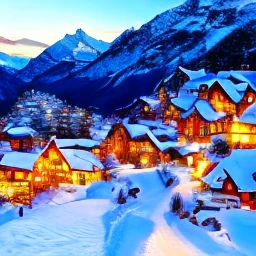
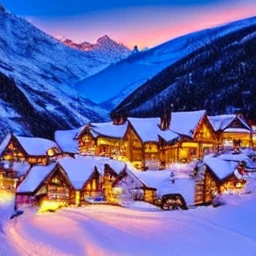
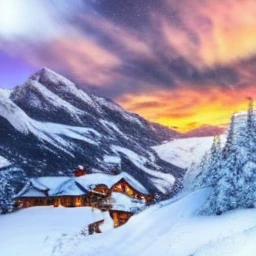
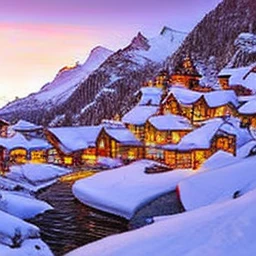
A 176M-parameter text-to-image model at 256×256, trained with Dew. Weights: dewml/hybrid-dit-176m.
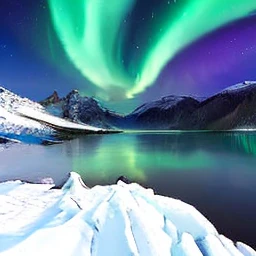
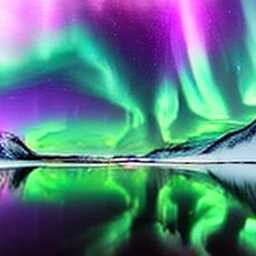
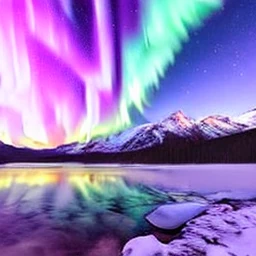
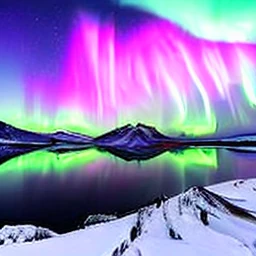
Each image is captioned with its prompt. The manifest records the actual seed, solver, guidance and batch context for reproducing each draw; settings differ between images.
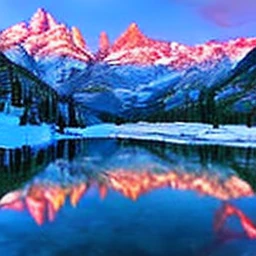
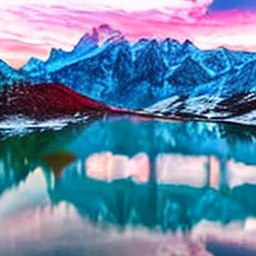
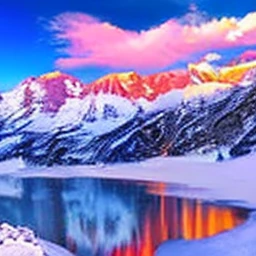
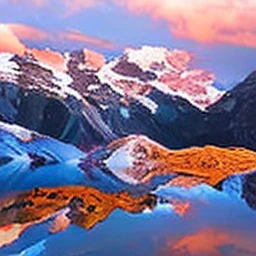
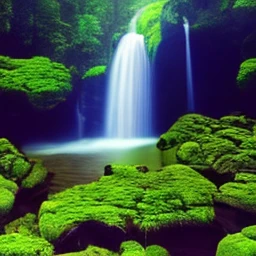
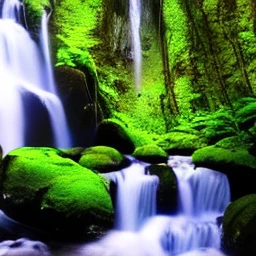
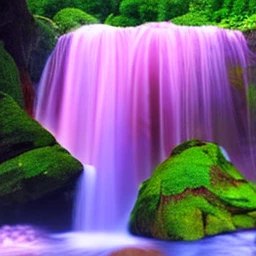
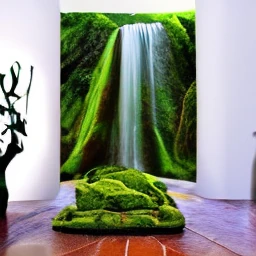
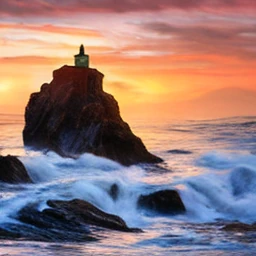
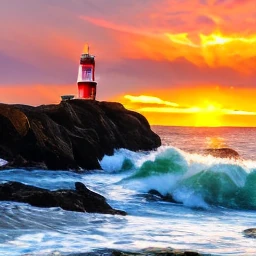
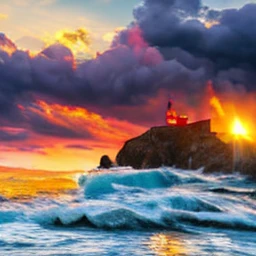
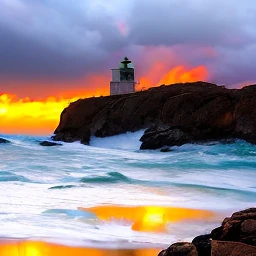
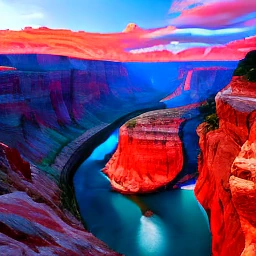
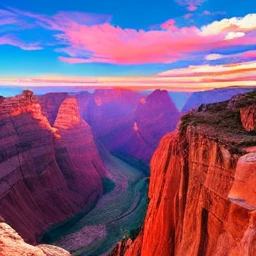
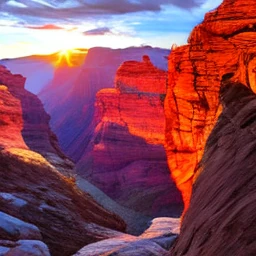
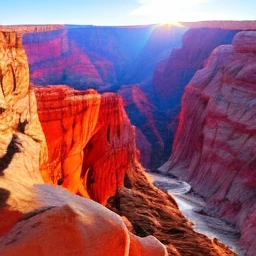
green and purple northern lights reflected in a frozen lake, snowy mountains at night, vivid colors, dramatic lighting, highly detailedgreen and purple northern lights reflected in a frozen lake, snowy mountains at night, vivid colors, dramatic lighting, highly detailedgreen and purple northern lights reflected in a frozen lake, snowy mountains at night, vivid colors, dramatic lighting, highly detailedgreen and purple northern lights reflected in a frozen lake, snowy mountains at night, vivid colors, dramatic lighting, highly detaileda mountain lake reflecting snowy peaks, vivid colors, dramatic lighting, highly detaileda mountain lake reflecting snowy peaks, vivid colors, dramatic lighting, highly detaileda mountain lake reflecting snowy peaks, vivid colors, dramatic lighting, highly detaileda mountain lake reflecting snowy peaks, vivid colors, dramatic lighting, highly detaileda waterfall in a lush green forest, vivid colors, dramatic lighting, highly detaileda waterfall in a lush green forest, vivid colors, dramatic lighting, highly detaileda waterfall in a lush green forest, vivid colors, dramatic lighting, highly detaileda waterfall in a lush green forest, vivid colors, dramatic lighting, highly detaileda lighthouse on a rocky coast at sunset, dramatic waves and golden light, vivid colors, dramatic lighting, highly detaileda lighthouse on a rocky coast at sunset, dramatic waves and golden light, vivid colors, dramatic lighting, highly detaileda lighthouse on a rocky coast at sunset, dramatic waves and golden light, vivid colors, dramatic lighting, highly detaileda lighthouse on a rocky coast at sunset, dramatic waves and golden light, vivid colors, dramatic lighting, highly detaileda canyon with towering red rock cliffs and a winding river at sunset, vivid colors, dramatic lighting, highly detaileda canyon with towering red rock cliffs and a winding river at sunset, vivid colors, dramatic lighting, highly detaileda canyon with towering red rock cliffs and a winding river at sunset, vivid colors, dramatic lighting, highly detaileda canyon with towering red rock cliffs and a winding river at sunset, vivid colors, dramatic lighting, highly detaileda snowy mountain village at dusk, warm glowing windows and blue snow, vivid colors, dramatic lighting, highly detaileda snowy mountain village at dusk, warm glowing windows and blue snow, vivid colors, dramatic lighting, highly detaileda snowy mountain village at dusk, warm glowing windows and blue snow, vivid colors, dramatic lighting, highly detaileda snowy mountain village at dusk, warm glowing windows and blue snow, vivid colors, dramatic lighting, highly detailed
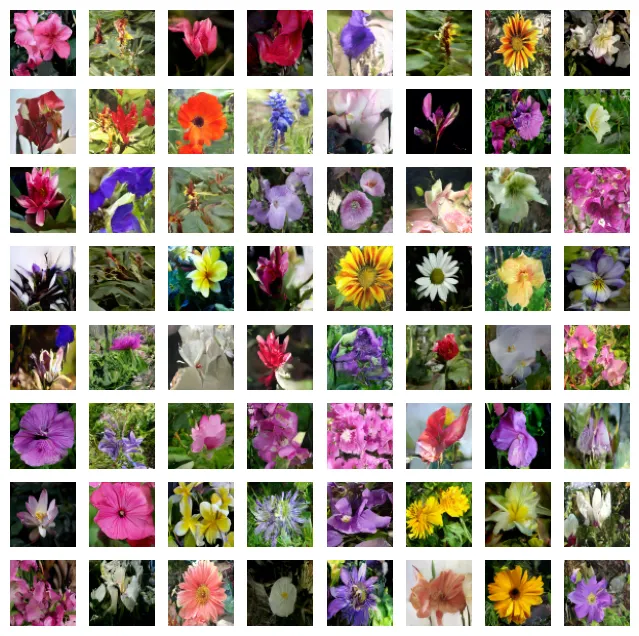
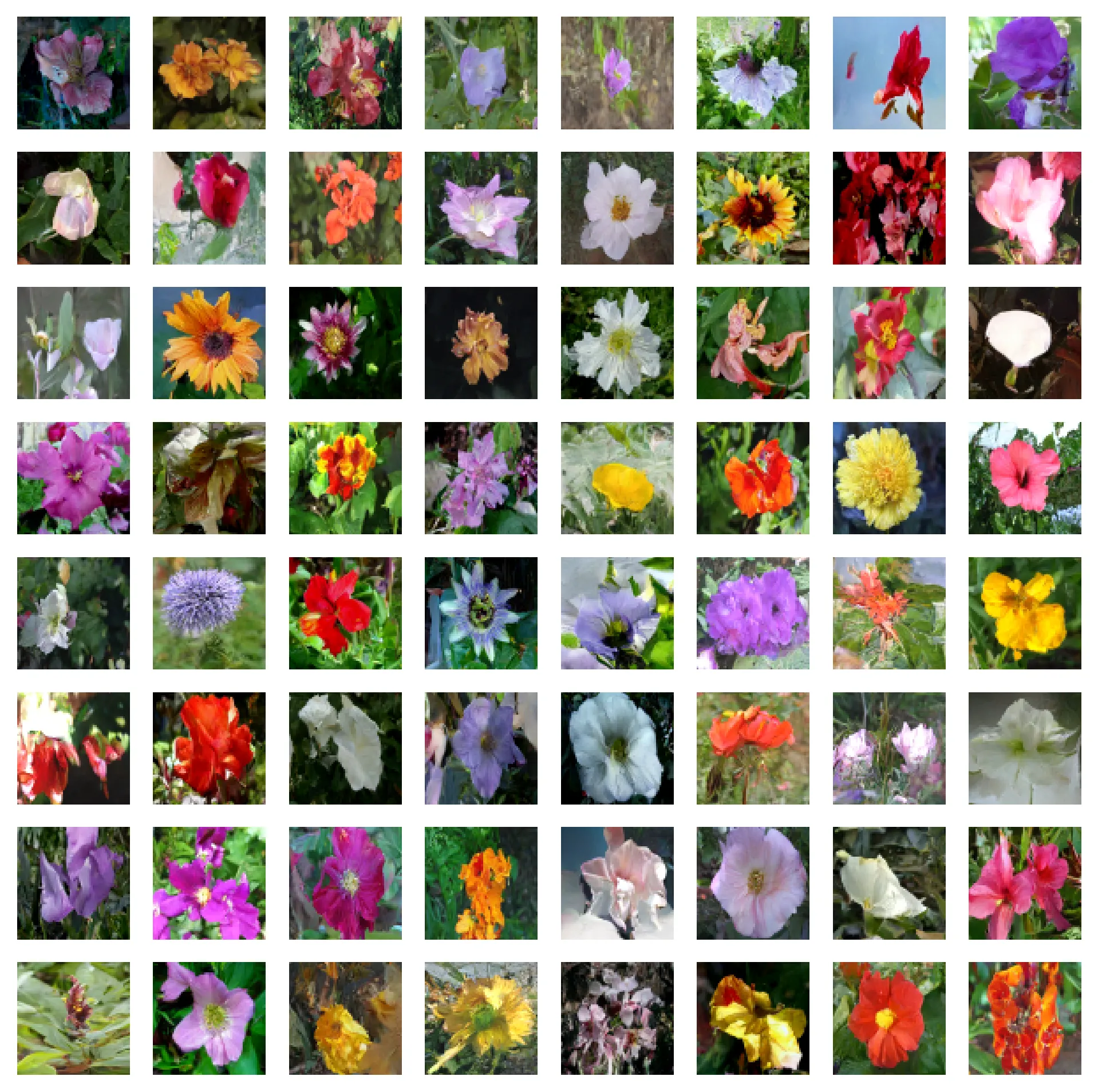
The two grids below come from unconditional models trained with Dew on Oxford Flowers 102. Their records give the image size, sampling settings and model fields, but no complete environment, checkpoint, seed or quality evaluation, and their scheduler and model names are those of the Dew version the runs used.
This grid used a 10-step Heun sampler. Heun takes a prediction step and then a correction on each sampling interval, so the exact number of network evaluations depends on how the solver handles the last step. The recorded caption said 20 model evaluations; no trace confirms that count.
Setting
Recorded value
Dataset
Oxford Flowers 102
Batch size
16
Image size
64 × 64
Training epochs
1,000
Steps per epoch
511
Training noise schedule
EDMNoiseScheduler
Inference noise schedule
KarrasVENoiseScheduler
The two unconditional grids are not a controlled comparison of samplers: the records do not show that they used the same checkpoints, seeds or training settings. The gallery does not redistribute the datasets; each has its own license and access conditions. Papers and attribution lists the research and the upstream implementations behind these methods.